
XGRIDS Lixel K2
In your hands.
Capture point clouds, panoramic imagery, meshes, and 3D Gaussian Splat scenes from one compact system. Built for AEC, surveying, facilities, industrial environments, and everyday existing-conditions work.

XGRIDS Lixel K2 is designed around everyday production capture: light enough to carry, accurate enough for measurement-driven workflows, and simple enough to move from site to deliverable without a heavy correction process.
Why XGRIDS Lixel K2
fits everyday production.
Walk the site. See the scan. Keep moving.
Real-time SLAM with visual-aided positioning gives the operator a live colour point-cloud preview on a phone while capturing. The workflow is designed to reduce rescans, correction passes, and uncertainty before leaving site.
1.2 kg field system
Compact enough for routine building capture, facilities work, retrofit documentation, and repeated site use.
RTK + multiple outputs
Built-in RTK plus point clouds, panoramic imagery, meshes, LCC and 3DGS outputs support multiple downstream workflows.
Capture → process →
deliver.
The workflow matters more than another list of scanner features. Lixel K2 is designed to move cleanly from site capture into usable project data.
Walk the site.
Handheld real-time SLAM, visual-aided positioning, colour capture and live field preview help confirm coverage before leaving site.
Process with the XGRIDS ecosystem.
Use LixelStudio and Lixel CyberColor to generate point clouds, visual outputs, meshes and 3D Gaussian Splat scenes.
Move into production.
Export project-ready point-cloud and visual formats for ReCap, Revit, AutoCAD and downstream BIM or design workflows.
The practical goal: capture once, verify in the field, process cleanly, and reduce the correction cycle between scan and deliverable.
Instead of four equal feature boxes, this section prioritizes the reason most engineering teams look at K2 first: compact mobility without giving up measurement-oriented output.
Lightweight scanner.
Engineering-grade intent.
1 cm-class relative accuracy in a 1.2 kg platform.
Designed for dimension-driven existing-conditions capture including walls, openings, clearances, retrofit documentation and as-built context.
≤1 cm cloud thickness
Thin post-processed point-cloud structure with cleaner boundaries and less downstream cleanup.
Triple-camera capture
Two fisheye cameras plus one forward camera support panoramic colour capture and visual context.
One scan. Multiple outputs.
Point clouds, meshes, panoramic imagery, LCC and 3DGS outputs let one Lixel K2 capture feed different engineering and visualization workflows.
The key K2 specifications in one place. Accuracy figures below refer to the performance claims used on the current K2 page.
XGRIDS Lixel K2
specifications.
LiDAR
Vision & Output
Hardware
Bring a scanner to the site, not a sales slide.
Book a hands-on demonstration and evaluate the capture workflow against the work your team actually does.
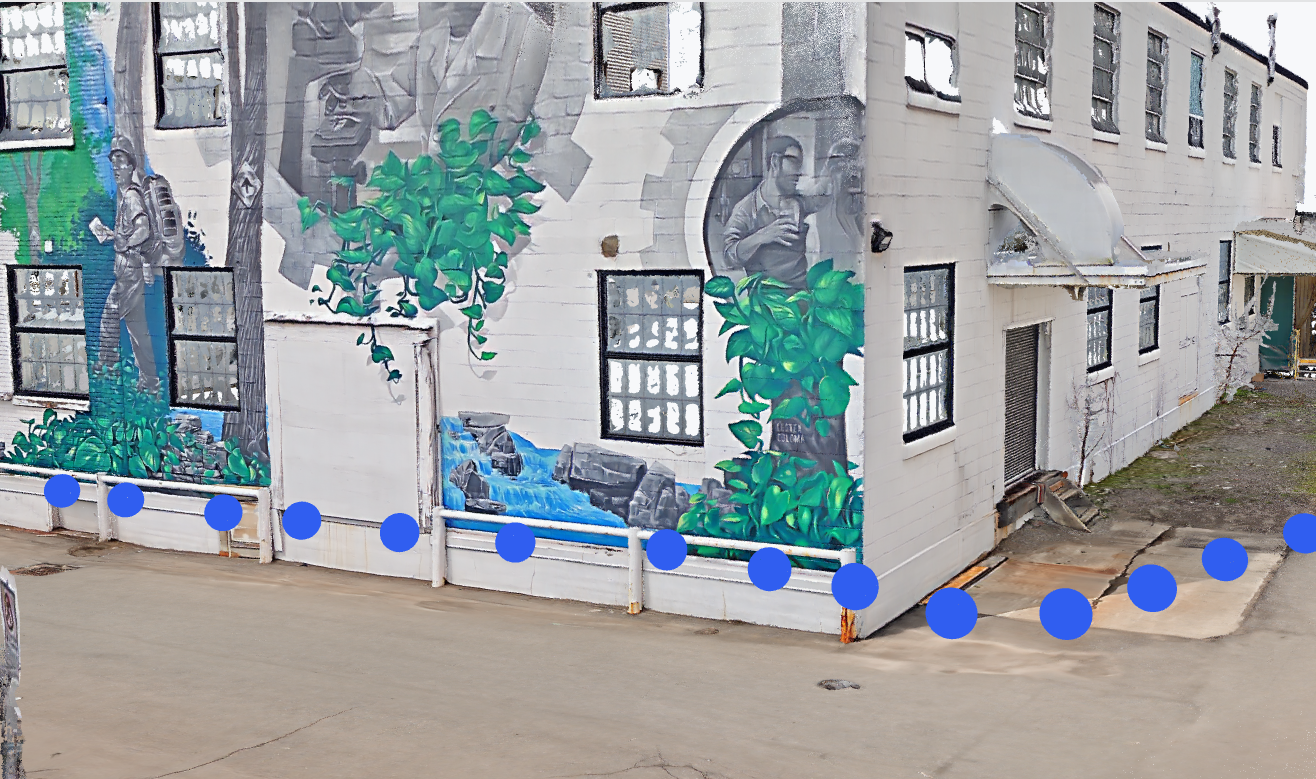
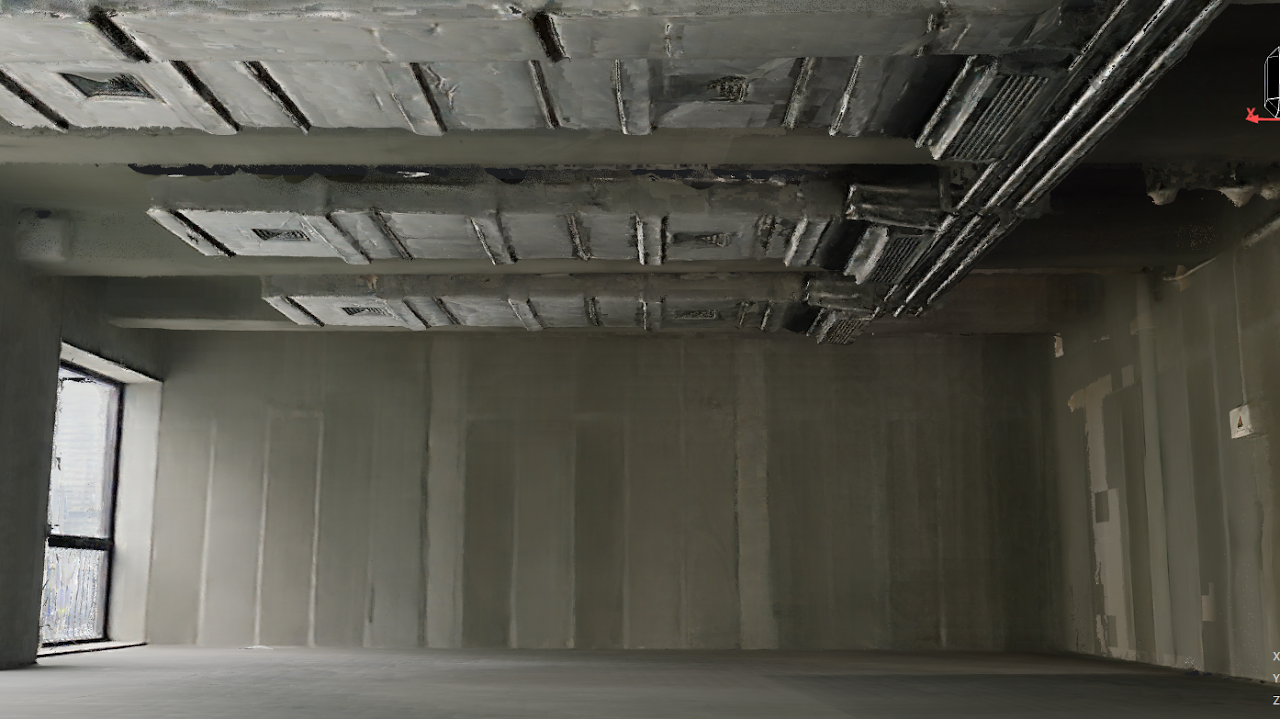
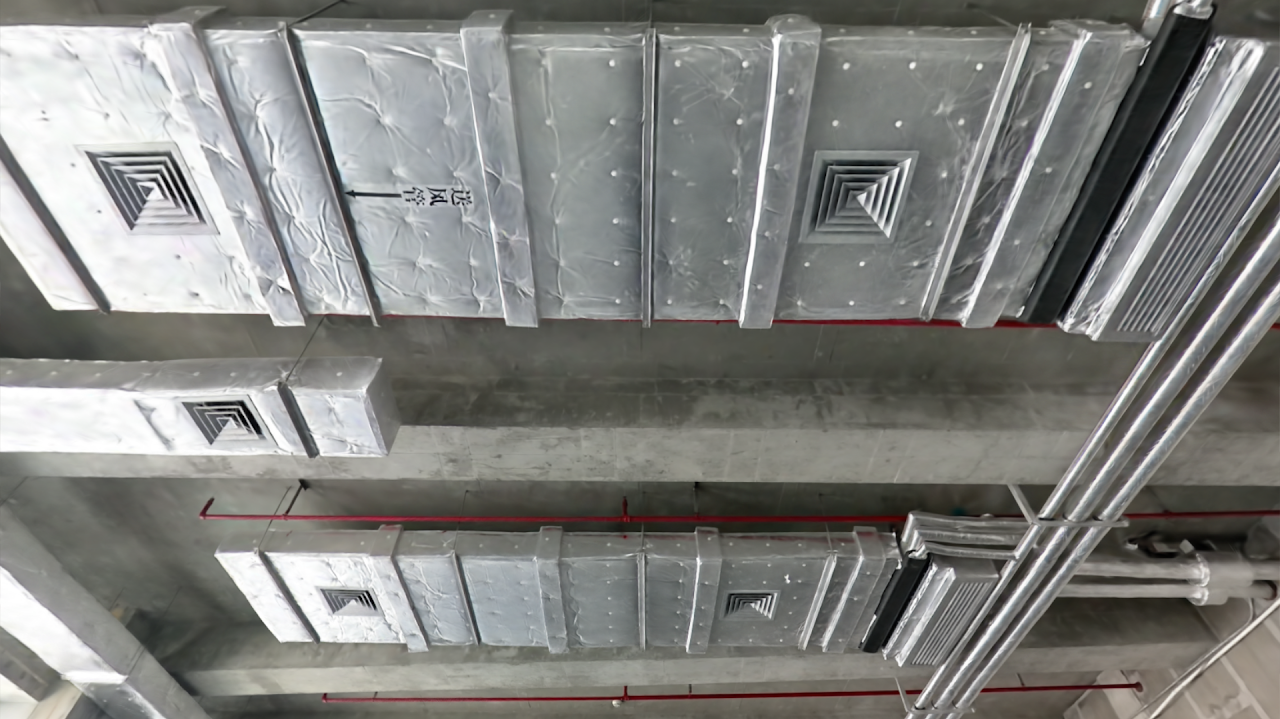
Capture geometry.
Keep the visual context.
XGRIDS Lixel K2 is not limited to one deliverable. The same field capture can support point-cloud, visual, mesh and 3DGS workflows depending on the project.
Everyday capture.
Professional output.
XGRIDS Lixel K2 is strongest where compact mobility, repeatable field capture and measurement-oriented deliverables matter more than extreme range or vehicle/drone deployment.
AEC Existing Conditions
Buildings, renovation, retrofit, design context, openings, walls, rooms and as-built documentation.
Facilities & Operations
Capture spaces, equipment context and facility conditions for planning, documentation and digital reference.
Industrial Interiors
Compact capture in complex interiors where mobility and fast site coverage are more valuable than very long range.
Scan-to-BIM Workflows
Support teams moving from Lixel K2 field data into point clouds, ReCap, Revit, AutoCAD and BIM production.
Choose the platform
around the project.
They are not meant to be identical scanners. K2 prioritizes compact everyday capture; L2 Pro prioritizes range, higher point rates, RTK/PPK workflows, and multiple deployment configurations.
You want the compact engineering platform.
K2 is the stronger fit for teams that value 1.2 kg portability, 1 cm-class relative accuracy, straightforward handheld capture, and fast building / existing-condition workflows.
Range and deployment flexibility matter more.
L2 Pro remains the stronger fit for longer range, higher point rates, larger sites, RTK/PPK workflows, vehicle mounting and supported drone deployment.
Show us the project.
True Point Precision can help match the scanner and workflow to the site instead of forcing every project onto one platform.
The questions that matter when evaluating K2 for a real production workflow.
XGRIDS Lixel K2
FAQ.
How accurate is the XGRIDS Lixel K2?
How far can K2 scan?
What does K2 output?
Does K2 have RTK?
What software is used with K2?
How heavy is K2 and how long does the battery last?
Can K2 data be used in BIM workflows?
When should I choose L2 Pro instead?
See what the compact platform can replace.
Bring us a project, a building, or the workflow you are trying to improve and test XGRIDS Lixel K2 against the real requirement. We can help determine whether K2 is the right fit or whether L2 Pro, rental equipment, or a delivered scanning service makes more sense.